 en
enHow Biotechnology Is Changing the Future of Skincare Development
The skincare industry is entering a new stage of ingredient innovation. For decades, cosmetic development focused heavily on extracting functional compounds from natural sources or optimizing existing chemical technologies. Today, global beauty brands are increasingly exploring biotechnology approaches to develop new ingredients, improve manufacturing control, and create more science-driven product concepts.
For cosmetic R&D teams, biotechnology skincare is not simply about using "natural" ingredients. The focus has shifted toward understanding how ingredients are developed, how production processes can be controlled, how raw materials can be consistently supplied, and how scientific evidence can support final product claims.
Biotechnology enables cosmetic companies to explore alternative ingredient development pathways through technologies such as microbial fermentation, biological production systems, and advanced manufacturing approaches.
Biotechnology skincare refers to cosmetic ingredients and skincare development approaches that use biotechnology methods, such as fermentation and biological production processes, to create innovative solutions for modern cosmetic formulations.
For professional cosmetic teams, evaluating biotechnology ingredients requires a broader perspective that includes ingredient feasibility, formulation compatibility, documentation quality, production capability, and supplier reliability.
What Is Biotechnology Skincare? Understanding Biotechnology in Cosmetic Ingredient Development
Biotechnology refers to the application of biological systems, organisms, or biological processes to develop products and technologies.
In cosmetics, biotechnology supports ingredient innovation by providing alternative methods for developing functional raw materials. Instead of relying only on traditional extraction or chemical synthesis, cosmetic companies can use biological processes to create ingredients with controlled production conditions.
Key applications of biotechnology in cosmetics include:
- Developing bio-based cosmetic ingredients
- Creating fermentation-derived materials
- Supporting controlled ingredient production
- Enabling new formulation possibilities
- Exploring new sources of cosmetic actives and functional materials
The value of biotechnology skincare is not that it automatically creates superior ingredients. Instead, it provides additional tools for cosmetic scientists to design, evaluate, and manufacture ingredients according to specific product requirements.
For R&D teams, the important questions remain practical:
- How consistent is the ingredient?
- Can it be integrated into a cosmetic formulation?
- Does the supplier provide sufficient technical documentation?
- Can the ingredient be produced reliably at commercial scale?
Biotechnology Skincare vs Traditional Ingredient Development Approaches
| Evaluation Factor | Traditional Ingredient Development | Biotechnology-Based Development |
|---|---|---|
| Production Approach | Extraction, processing, or conventional manufacturing methods | Biological production approaches such as fermentation |
| Innovation Potential | Based on available natural resources and existing technologies | Enables development of new ingredient solutions |
| Supply Considerations | May depend on agricultural or natural resource availability | Evaluated based on manufacturing capability and process control |
| Brand Positioning | Natural ingredient storytelling | Science-driven innovation storytelling |
The two approaches are not necessarily competitors. Many modern cosmetic brands combine traditional ingredients with biotechnology-derived materials to create more sophisticated product portfolios.
Core Biotechnology Technologies Behind Modern Skincare Ingredients
White Biotechnology: Fermentation-Based Cosmetic Ingredient Development
White biotechnology focuses on using microorganisms, enzymes, and biological processes for industrial applications.
In cosmetic ingredient development, fermentation technology has become one of the most important biotechnology approaches.
Through microbial fermentation, companies can produce functional ingredients under controlled manufacturing conditions. This approach is widely used across industries, including food, nutrition, pharmaceuticals, and cosmetics.
For skincare development, fermentation technology may support:
- Production of bio-based cosmetic materials
- Development of fermentation-derived ingredients
- Controlled manufacturing processes
- Improved production consistency
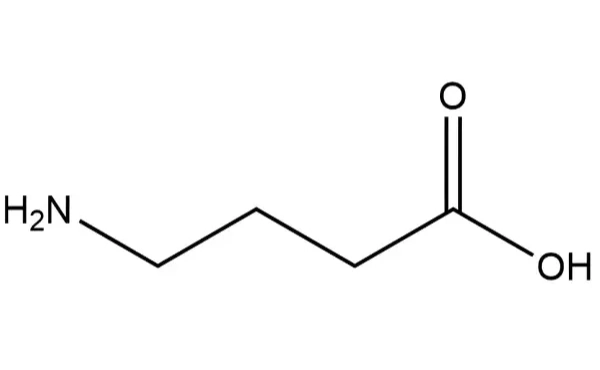
Examples of biotechnology-derived cosmetic ingredients include fermentation-produced amino acids, polysaccharides, peptides, and other functional materials.
However, fermentation-derived does not automatically mean better performance. Cosmetic brands still need to evaluate ingredient specifications, safety documentation, formulation compatibility, and finished-product evidence.
Plant Biotechnology: Exploring Alternative Ingredient Development Methods
Plant biotechnology represents another pathway for cosmetic innovation. Instead of relying only on traditional plant extraction, biotechnology approaches may explore plant-based biological systems to develop alternative ingredient sources.
Potential areas include:
- Plant-derived biological systems
- Alternative sourcing approaches
- Development of innovative botanical ingredients
- Improved control over ingredient production
For cosmetic brands, plant biotechnology provides another option when developing products that combine botanical positioning with science-based ingredient development.
Blue Biotechnology: Discovering Marine-Based Cosmetic Opportunities
Blue biotechnology focuses on biological resources from marine environments. Marine organisms contain diverse biological compounds that have attracted interest in cosmetic research and ingredient discovery.
Potential areas include:
- Marine biological resources
- New ingredient discovery approaches
- Alternative sourcing strategies
- Sustainable ingredient exploration
As with other biotechnology approaches, cosmetic companies should evaluate marine-derived ingredients based on scientific evidence, manufacturing capability, quality documentation, and regulatory requirements.
Why Beauty Brands Are Investing in Biotechnology Skincare
Improving Ingredient Traceability and Development Control
Global cosmetic brands increasingly evaluate ingredient suppliers based on transparency and production control.
Biotechnology-based ingredients can provide opportunities for clearer manufacturing processes and controlled production systems.
During supplier evaluation, brands typically consider:
- Production transparency
- Ingredient documentation
- Manufacturing consistency
- Supply chain visibility
- Quality management systems
For multinational beauty companies, ingredient traceability is becoming increasingly important because product development involves multiple markets, regulatory requirements, and internal quality standards.
Creating Differentiated Product Stories Through Science-Based Innovation
Beyond formulation performance, biotechnology also provides brands with new ways to communicate product innovation.
Consumers are becoming more familiar with concepts such as fermentation, biotechnology, and advanced skincare science.
Biotechnology enables brands to develop stories around:
- Scientific innovation
- Advanced ingredient development
- Technology-driven skincare concepts
- Next-generation beauty solutions
However, effective communication requires accuracy.
A biotechnology story should be supported by real production capabilities, ingredient information, and appropriate evidence rather than relying only on marketing language.
Biotechnology Skincare Applications in Cosmetic Product Development
Fermentation-Derived Ingredients in Skincare Formulations
Fermentation-derived ingredients have become increasingly relevant in cosmetic formulation development.
From a formulation perspective, R&D teams evaluate these ingredients based on:
- Ingredient compatibility
- Formula integration
- Stability performance
- Sensory characteristics
- Application suitability
A fermentation-derived ingredient must work within the complete product system.
The final skincare performance depends not only on the raw material itself but also on concentration, supporting ingredients, packaging, manufacturing process, and consumer usage conditions.
Bacterial Cellulose as an Example of Biotechnology-Derived Cosmetic Materials
Bacterial cellulose is one example of how biotechnology can create new cosmetic material opportunities.
Produced through microbial fermentation, bacterial cellulose is a cellulose material with unique structural characteristics.
In skincare, bacterial cellulose has been explored for applications including:
- Bio-cellulose facial masks
- Skincare patches
- Advanced cosmetic material formats
- Premium skincare experiences
Its potential value comes from combining biotechnology production with material innovation.
However, brands should evaluate bacterial cellulose based on actual application requirements, including skin contact experience, formulation compatibility, material quality, and finished-product testing.
Biotechnology creates opportunities, but successful commercialization still requires scientific validation and manufacturing expertise.
The E-E-A-T Framework for Evaluating Biotechnology Ingredient Suppliers
Scientific Expertise: Assessing Research and Development Capability
For biotechnology-derived cosmetic ingredients, supplier capability is a critical evaluation factor.
Brands should assess:
- Technical expertise
- Research capabilities
- Ingredient development experience
- Application support capability
- Understanding of cosmetic formulation requirements
A supplier with strong scientific capabilities can help brands move from ingredient selection to practical product development.
Quality Management: Ensuring Reliable Ingredient Supply
Quality consistency is essential when adopting biotechnology ingredients. Cosmetic companies should review:
- Ingredient specifications
- Quality documentation
- Testing procedures
- Production consistency
- Batch-to-batch reliability
A technically innovative ingredient still needs reliable manufacturing performance before it can support global product launches.
Documentation and Compliance: Supporting Global Cosmetic Markets
International cosmetic brands require comprehensive documentation before adopting new ingredients.
Important documents may include:
- Technical data sheets
- Safety documentation
- Regulatory information
- Application guidelines
- Quality certificates
Strong documentation supports communication between R&D, regulatory, procurement, and product teams.
Scaling Biotechnology Ingredients From Development to Commercial Production
Challenges During Ingredient Commercialization
Moving a biotechnology ingredient from laboratory development to commercial production requires careful planning.
Common considerations include:
- Production scalability
- Manufacturing capability
- Supply reliability
- Technical transfer
- Quality consistency
An ingredient that performs well in laboratory testing may require additional optimization before large-scale manufacturing.
How Procurement Teams Evaluate Long-Term Supplier Partnerships
Supplier selection should consider long-term collaboration potential.
Key evaluation factors include:
- Technical support capability
- Production experience
- Documentation completeness
- Communication efficiency
- Supply stability
- Continuous improvement capability
For innovative cosmetic ingredients, supplier partnership is often as important as the ingredient itself.
Sustainability Considerations in Biotechnology Skincare Development
Moving From Sustainability Claims Toward Evidence-Based Evaluation
Sustainability has become an important consideration in cosmetic innovation. Biotechnology-based manufacturing may support alternative production models, but sustainability claims should always be evaluated through measurable evidence.
Brands should consider:
- Production methods
- Resource management
- Traceability systems
- Environmental information
- Manufacturing efficiency
A responsible sustainability strategy requires verified data rather than broad statements.
Supporting Future Circular Beauty Development
Biotechnology may contribute to future circular beauty strategies by enabling alternative production methods and resource-efficient approaches.
As technology develops, cosmetic companies may explore new ways to combine biological systems, renewable resources, and advanced manufacturing to create more responsible ingredient solutions.
However, each sustainability claim requires appropriate evaluation based on actual production information.
How CASOV Supports Biotechnology Cosmetic Ingredient Innovation
Wuhan CASOV Green Biotech Co., Ltd. focuses on biotechnology-driven ingredient development, including microbial fermentation, synthetic biology, functional ingredient development, efficacy research, target discovery, product screening, and cosmetic application support.
As a biotechnology company with research resources associated with the Chinese Academy of Sciences, CASOV integrates its scientific research capabilities with ingredient development applications.
For global cosmetic brands, this type of capability supports different stages of innovation:
- R&D teams can evaluate ingredient mechanisms and application possibilities.
- Product teams can explore science-based skincare concepts.
- Procurement teams can assess manufacturing capability and supply reliability.
- Regulatory teams can review ingredient documentation and compliance requirements.
Successful biotechnology skincare development requires collaboration between ingredient developers, formulation specialists, and cosmetic brands.
Frequently Asked Questions About Biotechnology Skincare
What is biotechnology skincare?
A: Biotechnology skincare refers to cosmetic ingredients and skincare development approaches that use biotechnology methods, including fermentation and biological production processes, to create innovative cosmetic solutions.
How are biotechnology ingredients developed for cosmetics?
A: Biotechnology ingredients may be developed through approaches such as microbial fermentation, biological production systems, plant biotechnology, and marine biotechnology. The final ingredient must still undergo quality evaluation, formulation testing, and regulatory review.
What are fermentation-derived cosmetic ingredients?
A: Fermentation-derived cosmetic ingredients are materials produced through controlled biological processes involving microorganisms. Examples may include amino acids, polysaccharides, peptides, and other functional cosmetic materials.
How should brands evaluate biotechnology skincare suppliers?
A: Brands should evaluate scientific expertise, manufacturing capability, quality systems, documentation support, application experience, and supply reliability.
What documentation is required before adopting biotech cosmetic ingredients?
A: Brands typically review technical data sheets, safety documents, quality certificates, regulatory information, application guidelines, and ingredient specifications.
Building Future Skincare Innovation Through Biotechnology
Biotechnology skincare represents a science-driven approach that combines biological technology, ingredient innovation, and professional supplier evaluation.
The future of cosmetic development will not rely on a single sourcing method. Instead, successful brands will combine scientific research, manufacturing capability, formulation expertise, and evidence-based decision-making.
Biotechnology provides new opportunities for developing bio-based cosmetic ingredients, fermentation-derived materials, and advanced skincare solutions. However, successful commercialization depends on more than innovation alone.
Brands need reliable ingredient partners who can support the complete journey - from ingredient development and technical evaluation to formulation integration and commercial production.
For cosmetic companies exploring biotechnology-derived ingredient development, formulation evaluation, and technical collaboration opportunities, working with an experienced biotechnology partner can help transform scientific innovation into future skincare products.